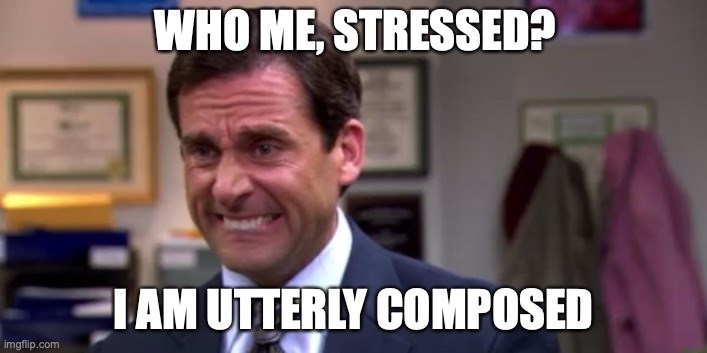
We talk a lot about LODI: The Law of Diminishing Intent, which simply states that the longer you put off doing something you “should” do, the less likely you are to do it; especially if there is no real, material deadline as is the case in activities like prospecting (sales or recruiting), going to the gym, or following through on that last great business idea you had.
What we haven’t talked about is another even more insidious law of human nature: The Law of Increasing Stress. In short, this law recognizes the fundamental truth that a problem delayed is a problem multiplied.
I’ve been a coach, speaker, and trainer for over a decade working with sales professional, leaders and executives and I have seen a lot of “stress.” But, one thing I have yet to see is stress coming from something other than this: either, 1) not enough focus on what we can control or 2) too much focus on what we cannot control.
Why? Because we can do hard things. We actually do hard things all the time. Hard ≠ Stress. Hard is relative. In fact, in doing hard things makes our tolerance for hard things actually increase. If Hard = Stress, then we would actually see people becoming more stressed as they accomplished greater achievements, and in reality, it seems like almost the polar opposite. In fact, our anterior mid-cingulate cortex is strengthened every time we do something requiring grit, discomfort, perseverance, and resilience. Thus, doing tasks that require those skills increases our ability to access that power the next go round.
But what decreases our grit, perseverance and resilience—things we are lacking when we are excessively stressed—is procrastination. It allows this part of the brain to weaken and thus we have a lower bar for what we consider “stressful”. Paradoxically, the way to lessen stress is to do things we anticipate will create “positive stress” or eustress and to take action on the activities that stretch us and grow is even in the face of feeling overwhelmed or challenged. Proverbially eating the elephant, bite by bite.
In short, we experience—create, even—the greatest amount of “bad stress” from procrastination: either creative avoidance (emotional) or lack of planning and organization (technical).

Whether you are coaching someone through something stressful, or needing to self-manage your own stress, there are ways we can make progress:
🧠Think long-term: What would the payoff be if you increased your follow-through over the next 12 months? Commit to getting uncomfortable in the short run for the long-term benefit; decide if reduction in stress and improvement in perseverance is worth stepping outside of your comfort zone.
🎯Control the controllables: take whatever is stressing you out right now and ask yourself, what are three controllables that would improve this situation? Also ask yourself, what are three things I am worrying about, where worry doesn’t actually change anything at all? Resolve to control at least one thing that you can control and to refocus yourself when you are dwelling on something you cannot.
📅 Take action short-term: Ask yourself what are the critical/must-do actions over the next 7-days; decide how long they will take; Plan your week in advance (30-45 minutes); plan every day in advance (5-10 minutes).
💭 Reflect for continuous improvement: what could you have done differently that would have made last week better and how can you apply that to this week?
💍Commit, don’t quit: make adjustments, don’t stop; never has anyone regretted managing their time (themselves) more intentionally but people give up before they find their groove (like quitting on an uncomfortable golf swing before you’ve gotten used to it.)
🖼️Visualize daily: start to see yourself as someone who can tackle bigger challenges with less stress, more resiliency, improved consistency and the grittiest grit. You have to begin to see it if you want to begin to experience it. What would being grittier, less stressed, and more proactive be like for you?
📖 Book recommendation: The Comfort Crisis by Michael Easter 📖
This book opened my eyes to the dangers and damage caused by excessive comfort. I was in a season where I was literally praying for my problems to go away. I now sincerely believe it was divine guidance that I picked up this book as a random recommendation in a 75 Hard group. As I was reading, I saw myself in so many of the pitfalls described, created by a modern, comfortable life. My tolerance for what I considered hard was lowering and lowering. And as my tolerance for hard shrunk, my propensity for excuses, rationalizations, justifications, and procrastination only grew. I may never do a misogi, who knows; but it was then and there that I decided to stop praying for my problems to get smaller and start praying and planning for myself to get stronger. As a result, I started taking ice baths; developed a consistency program called the Power of 10, and generally started viewing problems and procrastination in a new light.

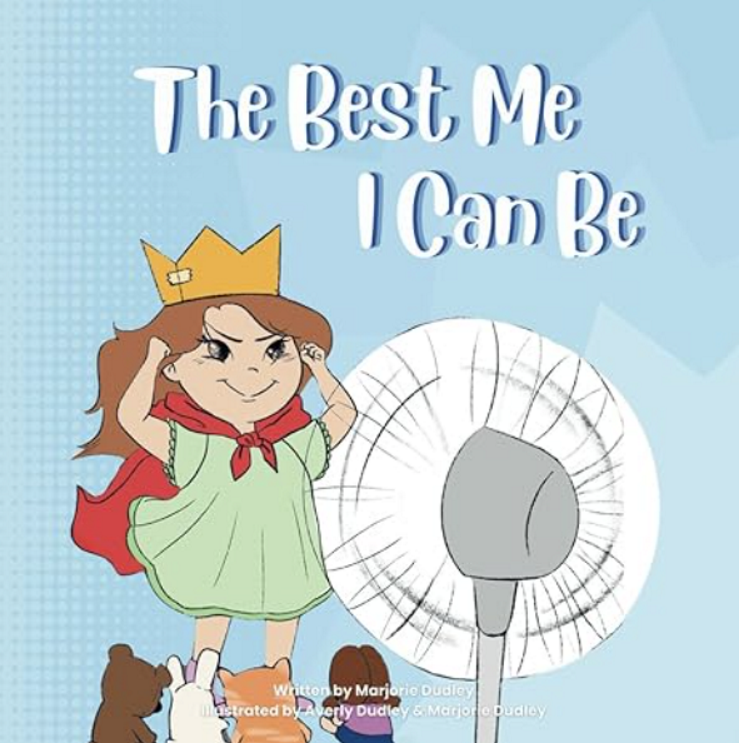
📔 The Best Me I Can Be 📔
My daughter and I wrote a book for kids about doing hard things. I wanted to help my kids learn a growth mindset and create resiliency—something I wish I had learned myself decades sooner. It’s available on Amazon here. I will send you a free copy just pay for shipping (I can even sign it for that special kid in your life). Suitable for kids 0-10 years old.
[Originally sent out on 12/3/24 via email to 100-ish clients and business partners]

Leave a comment