I’m learning to play chess with my 8-year-old son (shoutout to chesskids.com!!) And let’s just say we are, uh, very much just beginning. If you’ve played before, you can clearly see what I missed, which is when the black Queen swooped in and snatched my Pawn, I was toast. I didn’t know it yet because I couldn’t see it! But the only move I had–King to F2, where the black Queen currently resides–was no move at all since that put me in Checkmate and that means GAME OVER.

It got me thinking how often communication is like a game of chess. Here’s a few ways:
1. You need to think ahead.
I was only looking at my next move, and because of that, I missed the trap waiting for me (thank you, bot) that had been strategically planned. Similarly, when communicating with peers, team members, leadership are we considering how our words will actually set up the next move? Are we thinking about what move the person will make after us and if it will constructively move the game forward?
Dr. Phil (yes, that Dr. Phil) used to say to his guests when they were lobbing insults back and forth like a pickleball match: Do you want to be right, or do you want to be happy? But over the years, as I shared that with many clients and it resonated with some of their most challenging conversations, we modified that to: Do you want to be right, or do you want to win?

[WOW! You really can buy anything on Amazon 😂😂😂]
In the game of communication, “winning” isn’t taking out your opponent in checkmate, but rather reaching a successful outcome to a difficult situation. You, my friend, are probably familiar with having to hold people accountable to something they need to do in order to be successful; or maybe having to address behaviors that aren’t acceptable for your company culture; and even sometimes needing to diffuse tension in the office. Whatever it is, winning is finding a successful path forward without either person flipping over the board and sending the pieces flying.
2. If you react too quickly it’s game over.
In the above chess match with my son and the bot, we got a little excited. I can’t remember what exactly we were focused on but we weren’t looking at all of the pieces and their positioning to our most vulnerable pieces. It’s safe to say we were fairly reactive.
In high stakes communication involving your team and customers, have you ever reacted, rather than strategically responded? Have you ever said something, that later you realized wasn’t exactly what you meant and now you can’t really take that move back (on chesskid.com you can take your moves back, but that’s not real life is it?) Have you opened your mouth a little too wide and too loud and hurt someone’s feelings–someone who has entrusted you as their leader? Maybe you haven’t. But I know I have. And that trust is much harder to rebuild than it would have been to maintain, had we slowed down to think first.
What are your most challenging kinds of conversations? Or who is your most challenging team member? I would encourage you know to think through a conversational chess match with them, right now. If you say A, then what would their response most likely be? And if you respond with B, how will they react to that? Go through the moves in your head–or better yet on paper–and think through, how you both can ultimately win the match. Unlike chess, communication isn’t a zero sum game; you both win when a successful outcome is reached.
3. Everything is way more fun when you are strategic.
Better strategy means more winning. More winning means more fun. If we can really master this communication thing, the impact is huge. There is nothing greater than someone telling you that you quite literally changed their life for the better. And having worked personally with many of you, I know that is the level of impact you strive to have for the duration of your career.
We also know that growth doesn’t happen in our comfort zone–a client shared that with me today and it’s profound. That goes for both our team members and ourselves. Our growth has a direct effect on our ability to effect growth in others. Our expansion of skills and tools allows for an exponentially expanded ripple of impact at every level of our organizations.
This is essentially the crux of emotional intelligence, a very popular business concept developing momentum over the last few years. If you have self-awareness, self-mastery, situational-awareness, and situational mastery, you are considered to have a high EQ (emotional quotient/emotional intelligence). In fact, Forbes named emotional intelligence the number one leadership skill for 2024. And real awareness and mastery boils down to one thing, not what we think, but how we communicate. While it alone, won’t be the sole factor determining your win-rate, it certainly will give you a leg up compared to others not harnessing said skill. In other words: this is a strategy worth the investment.
Going forward, let’s strive to communicate while thinking ahead, doing so more thoughtfully (and less reactively), and with a greater overall strategy aiming to help our team members win.
If this resonated with you, please feel free to share it with others, or this brief video on the same topic:
Navigating Communication is like learning to play Chess
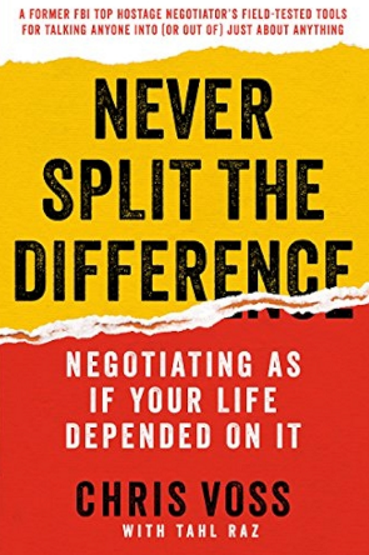
📖 Book Recommendation: Never Split the Difference by Chris Voss 📖
Never Split the Difference is one of those books that gets better every time you read it. I recommend you have a physical copy even if you choose to listen on Audible because he shares techniques like tactical empathy, mirroring, labeling emotions, and the calibrated “no” to build rapport and influence outcomes that you will absolutely want to write out for your own use. Voss, a formerly an FBI hostage negotiator, uses stories from those high-stakes conversations to help you navigate your own while allowing the other party to feel heard. He blends real-life stories with practical tools to give you strategic approaches that will lead to more winning outcomes.

Leave a comment