One of the most fascinating truths about human nature — especially in leadership — is this:
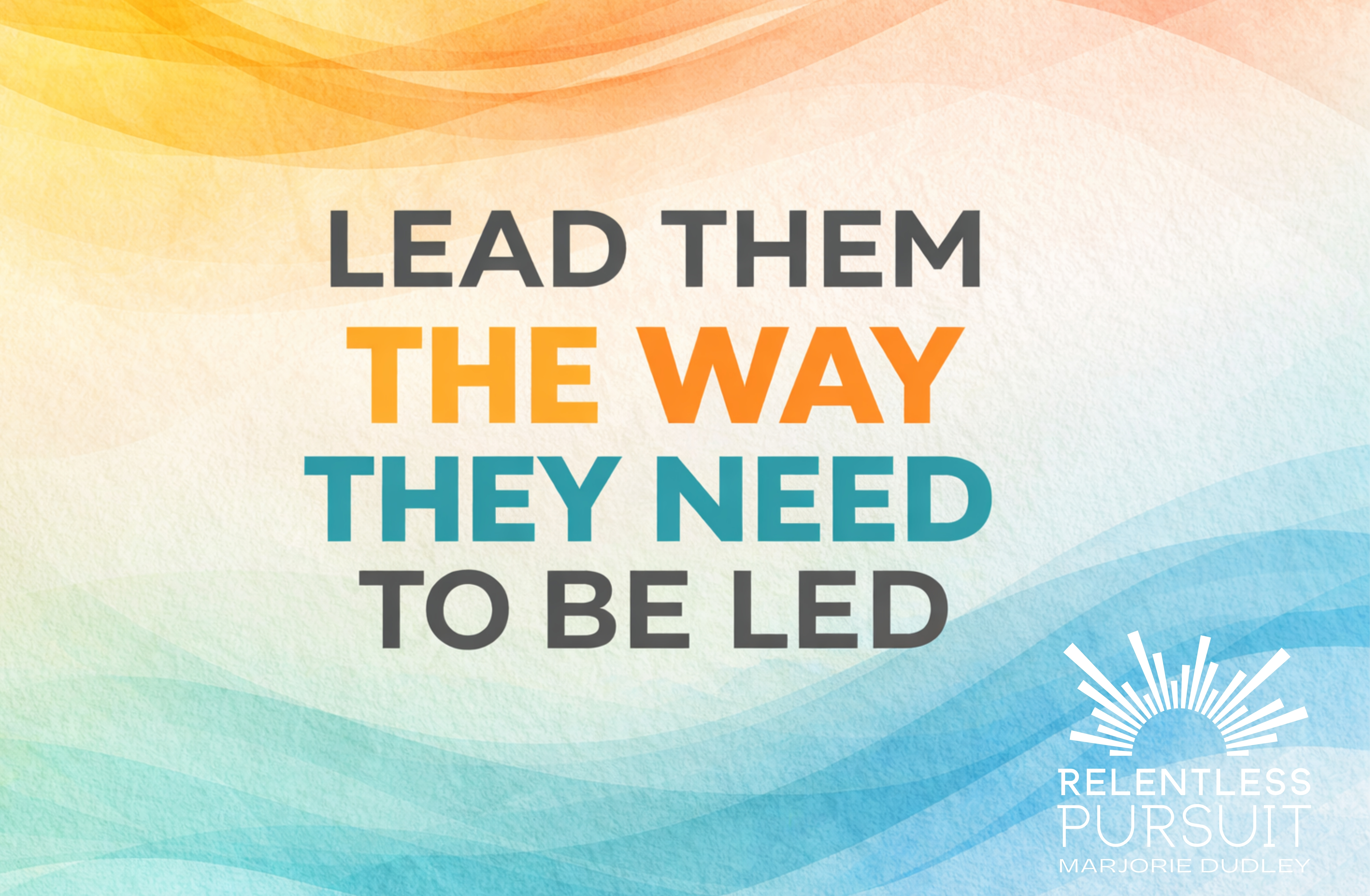
We tend to lead the way we like to be led.
And while that feels natural, intuitive, and even efficient… it’s often the very thing that limits our impact.
I was recently on a call with a client — a CEO who built his company from scratch. No silver spoon. No safety net. Just grit, resilience, and a relentless commitment to figure it out. He faced major setbacks. He made mistakes. He learned fast. He adapted. He survived.
He is, by every definition, autonomous.
On this particular call, we were discussing one of his leaders — someone on his executive team who thrives in a very different way. This leader loves face-to-face time. Loves team meetings. Loves circling the wagons, sharing updates, collaborating out loud. He feels energized by structure and consistent connection.
My client? He sees inefficiency.
He would prefer fewer meetings. Less talking. More doing.
And neither of them is wrong.
But here’s where leadership gets interesting.
The Autonomy Trap
Because my client built his success through independence, he has a tendency — in his own words — to “throw people to the wolves.”
Why?
Because that’s what worked for him.
He didn’t need hand-holding.
He didn’t need weekly one-on-ones.
He didn’t need structured check-ins.
He needed room.
He needed pressure.
He needed the fire.
And it forged him into a strong leader.
But here’s the critical insight:
Just because you didn’t need it doesn’t mean they don’t.
One of the most common leadership statements I hear is:
“Well, I didn’t need that when I was in their role.”
That may be true.
But it’s irrelevant.
They are not you.
Different wiring.
Different motivations.
Different insecurities.
Different strengths.
If we want to unlock performance — not just compliance — we must learn to flex.
Leadership Is Not Self-Expression — It’s Translation
Think about traveling to another country.
If you travel to Mexico and don’t speak fluent Spanish, what do you do?
You try.
You say “hola.”
You say “gracias.”
You attempt to meet people in their language.
You don’t insist they adapt to yours just because it’s more comfortable.
Leadership works the same way.
You don’t have to become someone you’re not.
You don’t have to abandon your standards.
You don’t have to over-structure your entire organization.
But when you move even slightly toward someone’s communication style — when you offer a little more structure to the person who thrives on structure, or a little more autonomy to the person who thrives on independence — your influence multiplies.
It’s not about preference.
It’s about effectiveness.
The Mileage Multiplier
In this CEO’s case, if he truly wants to elevate this executive on his team, the solution isn’t fewer touchpoints.
It’s actually the opposite.
More defined one-on-one time.
Clearer structure.
Intentional space for dialogue.
Because that’s how this particular leader processes, plans, and performs at his best.
And here’s the paradox:
When leaders feel led in a way that aligns with their wiring, they become more capable of leading others well.
It’s a ripple effect.
When you give people what helps them thrive — not what helped you thrive — you increase:
- Ownership
- Confidence
- Decision quality
- Speed of execution
- Emotional buy-in
You get more mileage from their performance.
Flexibility Is a Strength, Not a Compromise
Some leaders resist this idea because it feels like catering.
It’s not.
It’s strategic adaptability.
Great leaders don’t lower standards.
They raise understanding.
They don’t abandon their style.
They expand their range.
The most effective leaders I coach have one thing in common: they can read the room. They can sense when someone needs clarity versus space. Structure versus freedom. Encouragement versus challenge.
And they’re willing to adjust.
Not because they’re unsure of themselves.
But because they’re secure enough to flex.
The Mirror Question
Here’s a powerful reflection question:
Am I leading this person the way they need to be led — or the way I prefer to lead?
That single question can transform a team.
Because if we’re honest, it’s much easier to replicate what worked for us than to study what works for someone else.
It’s much easier to say, “Figure it out. I did.”
But leadership isn’t about recreating ourselves in other people.
It’s about helping them become the strongest version of themselves.
Autonomy vs. Structure: Both Can Win
Let’s be clear: autonomy is powerful.
Pressure can forge resilience.
Throwing someone into the deep end can build strength.
But only if that’s how they’re wired to grow.
Some people rise under fire.
Others thrive under clarity.
Some need space.
Others need connection.
And when you learn to discern the difference, you stop wasting energy trying to force growth through the wrong mechanism.
Lead Them — Not Your Younger Self
It’s tempting to lead the younger version of ourselves.
To recreate the path.
To replicate the hardship.
To expect the same resilience.
But the goal of leadership isn’t to validate your journey.
It’s to multiply impact.
Lead people the way they need to be led.
Worry less about what you needed.
Worry less about what felt efficient to you.
Worry less about recreating your story.
And focus more on understanding theirs.
Because when you learn to speak their language — even imperfectly — your leadership travels farther than you ever could alone.
Stay Relentless.

Leave a comment